

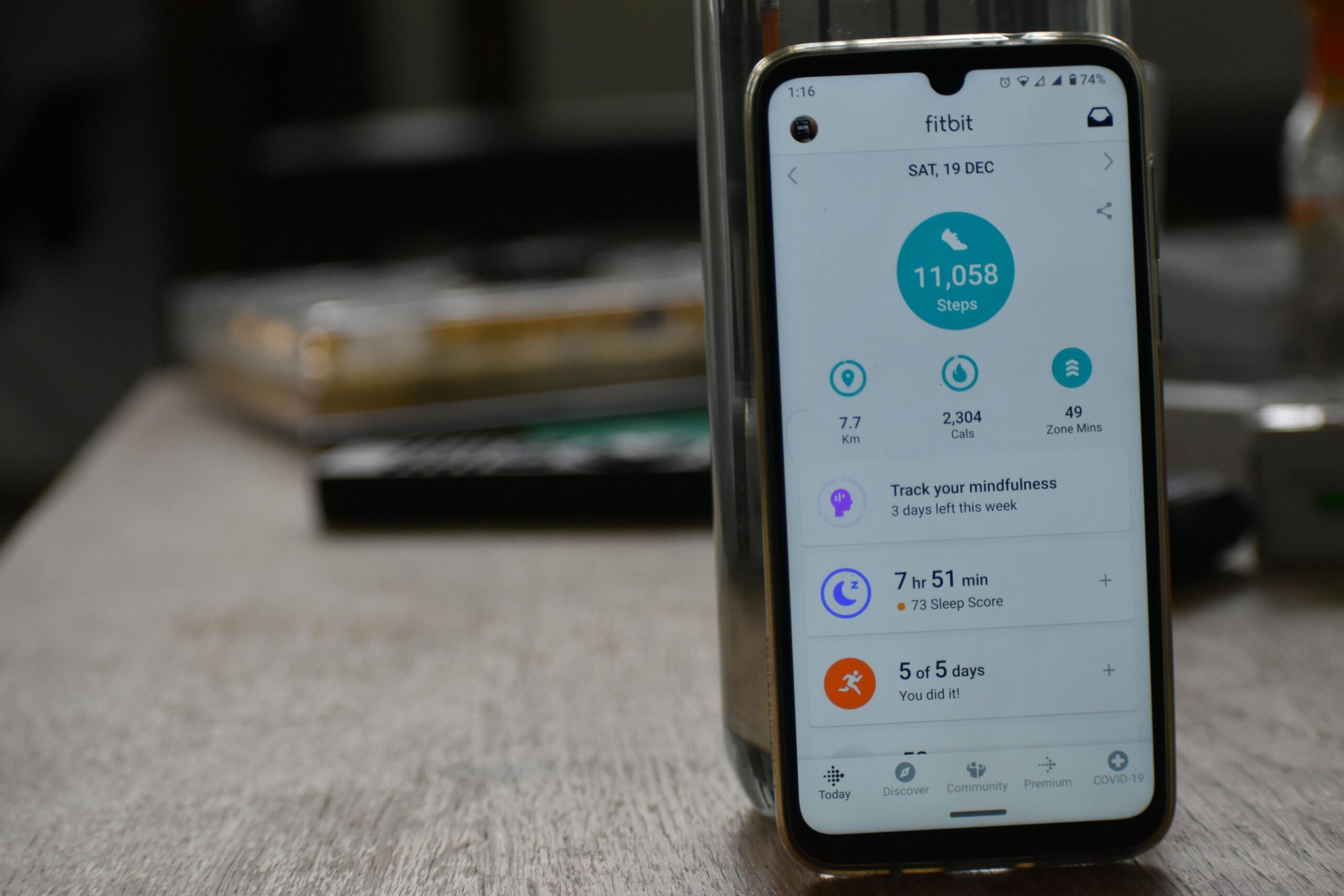
You ever sit down to work, blink once, and somehow two hours vanish into thin air? Yeah, same. That exact frustration pushed me into the world of time tracking apps for personal use, and honestly, it changed how I see my day. Not in a “wake up at 5am and hustle” way more like “wow, Instagram really ate 47 minutes” kind of clarity.
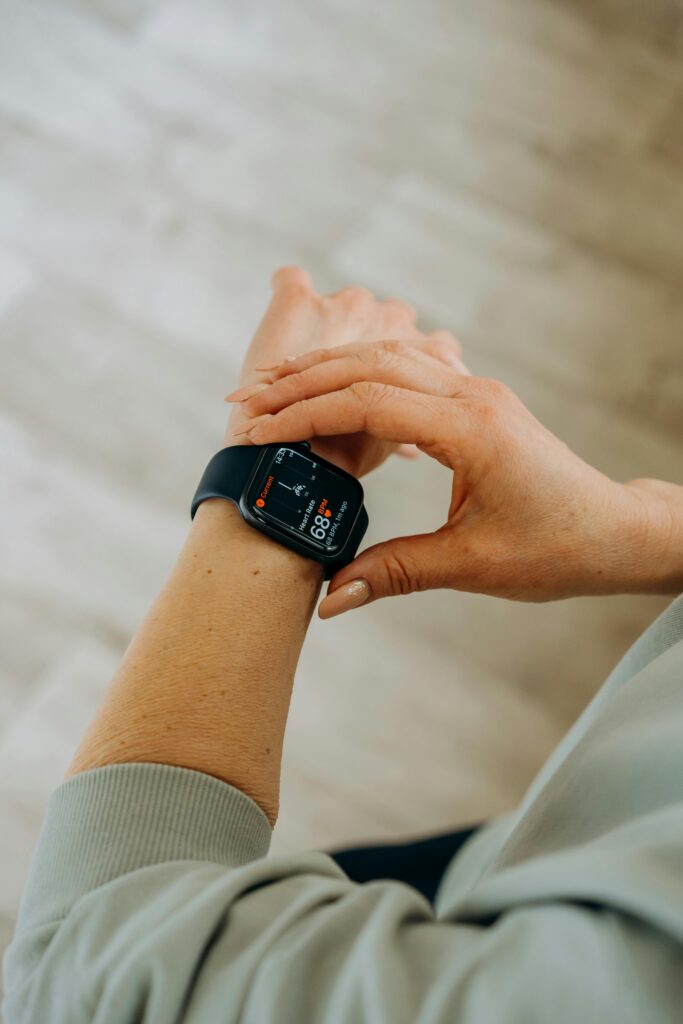
If you’ve ever wondered where your time actually goes, this one’s for you. Let’s talk like real people and figure this out together.
Why a Time Tracking App for Personal Use Actually Matters
People hear “time tracking” and immediately picture managers, invoices, and awkward productivity meetings. That mindset misses the point. Personal time tracking isn’t about pressure it’s about awareness.
I started tracking my time out of pure curiosity. I wanted answers, not guilt. What I found shocked me, and not in a good way.
Ever wondered why days feel busy but unproductive?
That’s exactly what a personal time tracking app exposes. It shows patterns you feel but can’t prove without data.
What a Personal Time Tracking App Really Does
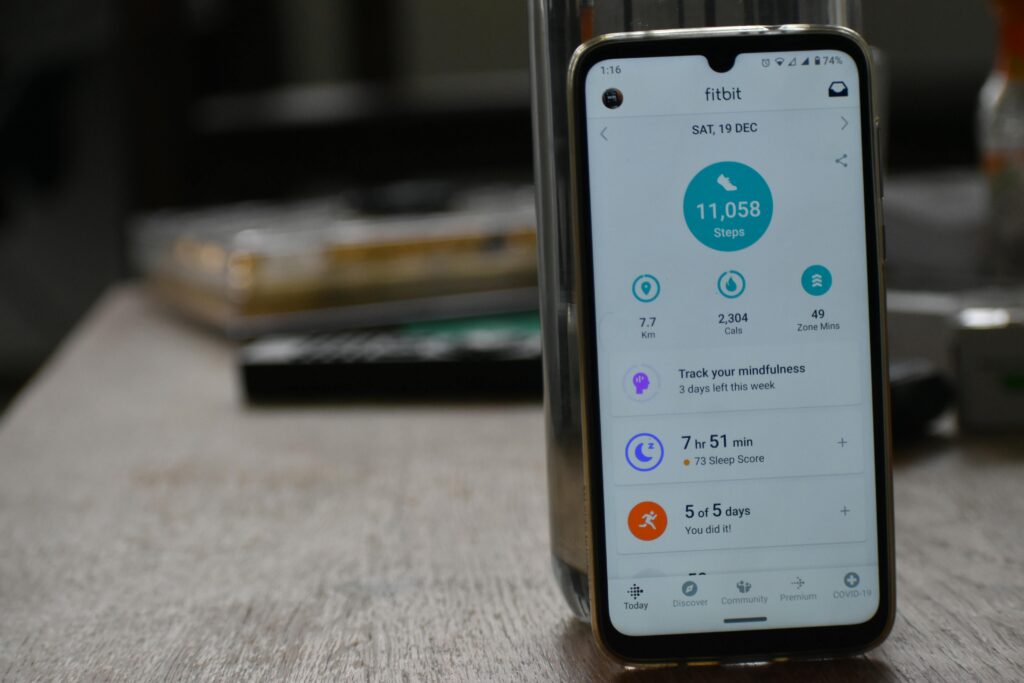
Let’s keep this simple. A time tracking app for personal use helps you see how you spend your hours across tasks, habits, and distractions.
Core things these apps usually track
- Time spent on tasks like work, studying, or hobbies
- App and website usage (hello, social media reality check)
- Daily and weekly patterns so trends don’t hide
- Manual vs automatic tracking, depending on your style
IMO, the magic happens when data meets reflection. Numbers alone don’t change behavior insight does.
Manual vs Automatic Time Tracking (This Matters More Than You Think)
Not all time tracking apps work the same way. Some expect you to press “start” and “stop.” Others quietly observe in the background like a digital shadow.
Manual time tracking
Manual tracking works best if you:
- Like intentional focus
- Want full control
- Track specific tasks or projects
I used manual tracking during deep work sessions. It made me commit to the task. No accidental YouTube rabbit holes well, fewer of them.
Automatic time tracking
Automatic tracking shines if you:
- Forget to press buttons
- Want low effort insights
- Prefer passive data collection
FYI, automatic tracking humbled me fast. Seeing exact minutes spent scrolling felt personal.
Learn more here Automation Integration Intelligence
Key Features to Look for in a Time Tracking App for Personal Use
Not every app deserves space on your phone. Some feel bloated. Others feel empty. The good ones strike balance.
Must-have features
- Simple interface you understand in seconds
- Daily and weekly reports that make sense
- Flexible categories you control
- Data privacy (seriously, don’t skip this)
Ease of use beats fancy charts every time. If logging time feels like work, you’ll quit within a week.
How Time Tracking Improves Productivity (Without the Hustle Culture)
Let’s be clear I don’t chase “productive 24/7” energy. I chase intentional time. Huge difference.
A personal time tracking app helps you:
- Identify distractions, not just guess them
- Protect focused time for important stuff
- Balance work and rest instead of burning out
Ever notice how guilt-free rest feels better? Time tracking helps you earn that rest mentally.
Read more Time Trucking and Integration Jobs
Time Tracking for Students, Creators, and Freelancers
This isn’t a one-size-fits-all situation. Different lifestyles need different insights.
Students
Students use time tracking to:
- Spot inefficient study habits
- Balance school and personal life
- Reduce last-minute panic
Tracking study time showed me I studied longer, not smarter. That realization saved my sanity.
Creators
Creators benefit from:
- Understanding creative energy cycles
- Separating creation from consumption
- Pricing work realistically
Tracking helped me see how long “quick edits” actually took. Spoiler: not quick.
Freelancers
Freelancers use it to:
- Measure effort accurately
- Avoid undercharging
- Prevent overworking
Knowing your time value changes how you say yes or no.
The Psychological Side of Time Tracking (Yes, It’s a Thing)
Here’s the part people don’t talk about enough. Time tracking messes with your brain in a good way.
When you see time visually:
- You respect it more
- You pause before distractions
- You feel more in control
Ever caught yourself about to open an app and thought, “Is this worth 10 minutes?” That’s the tracking effect kicking in.
Read more Harvest time tracking
Common Mistakes People Make With Time Tracking Apps
I made these mistakes, so you don’t have to.
Trying to track everything
Tracking every second kills motivation. Start small. Track major blocks first.
Judging yourself too harshly
Data should inform, not shame. Curiosity beats guilt every time.
Chasing perfection
Missed a day? Who cares. Consistency matters more than streaks.
How to Start Using a Time Tracking App (Without Overthinking It)
Getting started doesn’t require a system overhaul.
Simple starting steps
- Pick one main goal (focus, balance, awareness)
- Track 3–5 core activities only
- Review weekly, not obsessively
- Adjust categories as you learn
That’s it. No productivity cosplay required.
Free vs Paid Time Tracking Apps for Personal Use
People always ask if paid apps are worth it. The answer depends on how deep you want to go.
Free apps work if you:
- Want basic tracking
- Need awareness, not analytics
- Prefer simple setups
Paid apps make sense if you:
- Want detailed insights
- Track across multiple devices
- Value long-term reports
I started free and upgraded later. Let your habits justify the cost, not curiosity.
Privacy Concerns You Shouldn’t Ignore
Time tracking apps see a lot. Like… a lot.
Before committing:
- Read privacy policies
- Check data storage practices
- Avoid apps that sell usage data
Your time data equals behavioral data. Treat it with respect.
How Time Tracking Changed My Daily Decisions
This part gets personal. Tracking my time forced honesty. I stopped blaming “lack of time” and started noticing choices.
- Reduced mindless scrolling
- Scheduled rest intentionally
- Focused on fewer priorities
The biggest win? I felt calmer. Clarity does that. Learn more here Time Tracking Tools Free: Real Tools That Actually Help You Get More Done
