

You ever walk into a room and wish the lights would just know what you want? I did. That exact lazy-but-brilliant thought pushed me to automate and integrate smart home devices, and I haven’t looked back since. If you like tech that actually makes life easier instead of more complicated, you’re going to enjoy this chat.
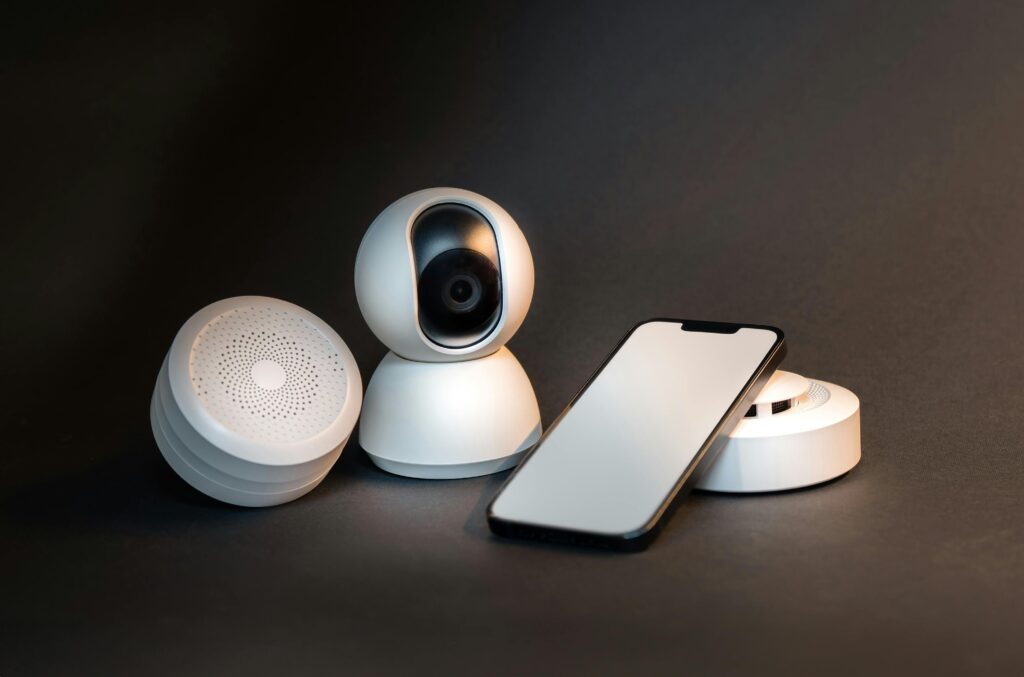
Let’s talk smart homes the real way. No marketing fluff. No sci-fi fantasies. Just honest, practical, sometimes funny lessons from someone who learned things the hard way.
Why people actually automate and integrate smart home devices
Most people don’t automate their homes because it sounds cool. They automate because they get tired of repeating the same actions every single day.
I started simple. I wanted lights to turn off when I left and turn on when I came back. That tiny win hooked me instantly.
When you automate and integrate smart home devices, you:
- Save time
- Reduce mental load
- Make your home react instead of wait
Ever wondered why your phone feels smarter than your house? Automation fixes that gap fast.
Automation vs integration: know the difference
People mix these two ideas all the time, and that causes frustration. I learned this lesson after yelling at my smart speaker like it owed me money.
Read more about Automation Integration Intelligence.
What automation really means
Automation handles actions without you touching anything.
Examples include:
- Lights turning off at bedtime
- Thermostats adjusting when you leave
- Coffee makers starting in the morning
Automation runs on rules, schedules, or triggers. You set it once, then relax.
What integration actually means
Integration lets devices talk to each other.
When you integrate devices:
- Sensors trigger lights
- Motion affects security
- Voice assistants control everything
You need both. Automation without integration feels dumb. Integration without automation feels needy.
The core benefit of a fully integrated smart home
A smart home should feel invisible. It should help quietly without demanding attention.
When you automate and integrate smart home devices, your home:
- Anticipates needs
- Responds faster
- Reduces manual control
I noticed the biggest difference during busy mornings. My home handled the basics while I focused on leaving on time.
Essential devices you should automate first
You don’t need to automate everything at once. Start where the payoff feels immediate.
Smart lighting systems
Smart lights give instant gratification.
They allow:
- Scheduled on/off times
- Motion-based control
- Scene creation
I automated my hallway lights first. I stopped walking into walls at night, and that alone felt like progress.
Smart thermostats
Thermostats shine when automation kicks in.
You can:
- Adjust temperatures based on presence
- Save energy automatically
- Maintain comfort without thinking
IMO, this device delivers the highest long-term value.
Smart plugs and switches
Smart plugs feel boring until you use them.
They help automate:
- Fans
- Lamps
- Coffee machines
They cost less and unlock endless automation ideas.
How smart home hubs simplify everything
Managing separate apps gets annoying fast. I deleted three apps the moment I bought a hub.
Why a hub matters
A smart home hub:
- Centralizes control
- Improves device communication
- Reduces delays
Without a hub, automation feels fragile. With one, everything feels intentional.
Popular hub options
Most hubs support:
- Lighting
- Sensors
- Voice assistants
Choose a hub that supports your existing devices. Don’t force replacements unless you enjoy wasting money.
Voice assistants: helpful or overhyped
Voice assistants divide people. I love them, but I set boundaries.
Where voice control shines
Voice control works best when:
- Hands stay busy
- Quick commands matter
- Accessibility matters
Saying “turn off everything” still feels powerful.
Where automation beats voice
Automation wins when:
- You forget commands
- You want consistency
- You hate repetition
Why ask for lights every night when rules can handle it?
Common automation mistakes (I made these so you don’t)
Mistakes happen fast when excitement beats planning.
Over-automating everything
Not everything needs automation. I once automated my bedroom lights so aggressively they felt possessed.
Avoid automating:
- Rarely used devices
- Emotional preferences
- Complex edge cases
Ignoring human habits
Automation should match behavior, not fight it.
If automation annoys you:
- Adjust triggers
- Change timing
- Simplify rules
Smart homes should adapt to you, not train you.
Security and privacy in smart home integration
Smart homes raise privacy questions, and ignoring them feels reckless.
How to stay secure
Protect your smart home by:
- Updating firmware
- Using strong passwords
- Segmenting networks
FYI, most breaches happen due to weak credentials, not evil hackers.
Balancing convenience and control
I disable microphones in rooms where I don’t need them. That balance helps me trust my setup.
You should always control your data, not surrender it.
Energy efficiency through automation
Automation saves money when done right.
Smart energy use
Automated homes:
- Reduce waste
- Optimize heating
- Cut standby power
I saw my energy bill drop after automating lights and climate controls. That result felt better than any gadget bragging rights.
Data-driven adjustments
Most smart systems show usage data.
That data helps you:
- Identify waste
- Adjust schedules
- Improve efficiency
Numbers don’t lie, even when habits do.
Integrating old devices into a smart setup
You don’t need to throw away everything you own.
Making “dumb” devices smarter
Smart plugs and switches upgrade:
- Old lamps
- Fans
- Appliances
I turned a decade-old fan into a smart device for cheap. That felt oddly satisfying.
Knowing when to replace devices
Replace devices when:
- Automation fails consistently
- Energy usage stays high
- Integration feels limited
Upgrade intentionally, not emotionally.
Automate and integrate smart home devices for families
Smart homes work best when everyone benefits.
Multi-user considerations
Shared homes need:
- Simple controls
- Clear rules
- Fail-safe options
Kids and guests shouldn’t break your setup by existing.
Accessibility benefits
Automation helps:
- Elderly users
- Mobility limitations
- Vision challenges
A well-designed smart home supports everyone quietly.
Smart home routines that actually feel useful
Routines turn individual automations into experiences.
Morning routines
Morning routines can:
- Adjust lighting gradually
- Start appliances
- Share weather updates
Waking up feels gentler when your home cooperates.
Night routines
Night routines help:
- Lock doors
- Turn off lights
- Set alarms
I sleep better knowing my home handles closure tasks.
Troubleshooting automation failures
Failures happen. Don’t panic.
Why automations break
Common causes include:
- Network issues
- Device updates
- Changed routines
Most fixes require patience, not replacement.
How to fix problems faster
Troubleshoot by:
- Testing triggers
- Checking connectivity
- Simplifying rules
Complex automation breaks easier than simple automation.
Future trends in smart home automation
Smart homes keep getting smarter, and that excites me.
Expect improvements in:
- Predictive automation
- AI-based learning
- Cross-platform integration
Homes will learn patterns without manual rules. That future feels close.
SEO reality: why this topic keeps growing
Search interest in automate and integrate smart home devices keeps climbing because people want practical guidance. They want clarity, not hype.
Clear explanations beat flashy promises every time. Learn more here Industrial Automation Systems and Integration (Without the Boring Stuff).