

Let’s be real for a second. You check your bank statement and see money leaving your account every month. Some charges say “subscription,” others say “dues,” and a few come from software tools you swore you needed. Sound familiar? Yeah, same here.
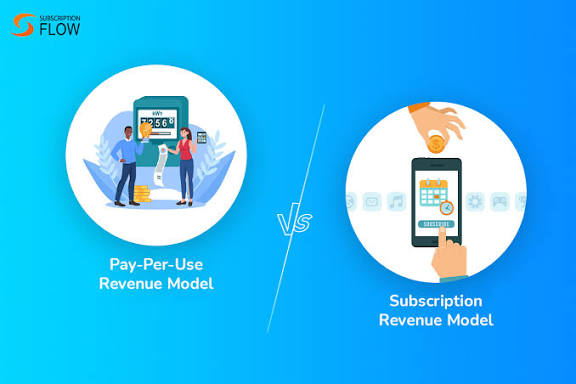
I’ve paid all three at different points, sometimes happily, sometimes with regret. So let’s clear the confusion once and for all. What’s the difference between dues, subscriptions, and software and when does each one actually make sense? Grab a mental coffee and let’s talk.
What Do We Mean by Dues, Subscriptions, and Software Anyway?
Before things get messy, we need clean definitions. People mix these terms all the time, and honestly, I get why.
What Are Dues?
Dues usually mean mandatory payments tied to membership. Think associations, clubs, unions, or professional bodies. You don’t pay for a tool. You pay for belonging.
I once paid annual dues to a professional group and barely logged into their portal. Still, I paid. Why? Because membership mattered.
Dues usually cover:
- Membership status
- Access to events or meetings
- Voting rights
- Community perks
You don’t pick and choose features. You’re either in or out. Simple.
What Are Subscriptions?
Subscriptions give you ongoing access to something, as long as you keep paying. Netflix, Spotify, newsletters, gym memberships you know the drill.
IMO, subscriptions feel friendlier than dues. You can cancel, pause, or switch plans without drama.
Subscriptions often include:
- Monthly or yearly billing
- Flexible plans
- Cancel-anytime options
- Continuous access
Ever subscribed to something, forgot about it, and rediscovered it months later? Yeah… that one hurt.
Learn more here Best Subscription and Billing Software (Tools That Actually Make Life Easier).
What Do We Mean by Software?
Here’s where things overlap. Software often uses subscriptions, but software itself refers to the actual tool you use to get work done.
Think:
- Accounting software
- CRM tools
- Billing platforms
- Project management apps
Software used to mean “buy once, install forever.” Those days packed their bags and left.
Dues vs Subscriptions: Same Money, Different Vibes
At first glance, dues and subscriptions look similar. Both involve recurring payments. But the purpose feels very different.
Why Dues Feel More… Serious
Dues often support an organization, not just your personal benefit. You contribute to a shared mission.
I paid dues to a tech association once mainly for credibility. I wanted that logo next to my name. Did I use every benefit? Nope. Did I value the membership? Absolutely.
Dues usually mean:
- Less flexibility
- Longer commitment
- Community-first value
Canceling dues can feel like breaking up with a group of people. Awkward.
Why Subscriptions Feel More Casual
Subscriptions focus on you. If the value drops, you leave. No guilt.
Subscriptions shine because they:
- Offer flexibility
- Scale with usage
- Let you test before committing
Ever canceled a tool after a free trial? That freedom feels great, right?
Learn more Subscription Management Software Free: Your Friendly Guide to Staying on Top of Subscriptions
Subscriptions vs Software: Where People Get Confused
Here’s the thing most people miss: subscriptions are a pricing model, not a product.
Software uses subscriptions, but not every subscription involves software.
Software With Subscriptions
Most modern software works like this:
- You pay monthly or yearly
- You get updates automatically
- You lose access if you stop paying
I actually prefer this model. I hate outdated tools. FYI, automatic updates save headaches.
Subscriptions Without Software
Not every subscription involves tech.
- Streaming services
- Newsletters
- Fitness memberships
These sell access, not tools.
Dues vs Software: Apples and Laptops
Comparing dues to software feels weird, but people do it all the time. “Why should I pay dues when software gives me more value?” I’ve asked that question myself.
What Dues Give That Software Can’t
Dues offer human connection. Software can’t replicate networking, advocacy, or shared identity.
Dues provide:
- Industry recognition
- Peer connections
- Collective influence
Software can automate tasks, but it can’t shake hands for you.
What Software Does Better Than Dues
Software delivers measurable results. You see productivity gains, saved hours, and cleaner workflows.
Software excels at:
- Automation
- Data tracking
- Scaling operations
When I replaced manual invoicing with billing software, I saved hours every week. No association could do that.
Read more Subscription Management Software for Small Business
Cost Comparison: Where Your Money Actually Goes
Let’s talk money, because that’s usually the real issue.
How Dues Spend Your Money
Dues often support:
- Administration
- Events
- Advocacy
- Community programs
You don’t always see a direct return, but the value sits in long-term benefits.
How Subscriptions Spend Your Money
Subscriptions focus on:
- Content delivery
- Platform maintenance
- Customer support
You expect consistent value. When value drops, you notice fast.
How Software Justifies Its Cost
Software must earn its keep. If it doesn’t save time or make money, it dies.
Good software offers:
- Clear ROI
- Productivity gains
- Measurable outcomes
Bad software? It gets canceled without mercy.
Which One Makes Sense for Businesses?
This depends on size, goals, and patience level.
When Dues Make Sense
Businesses benefit from dues when they want:
- Industry legitimacy
- Advocacy support
- Networking opportunities
Startups often skip dues early on. I did. Cash flow matters.
Read more Stripe Billing | Recurring Payments & Subscription Solutions
When Subscriptions Work Best
Subscriptions suit businesses that need:
- Flexibility
- Scalable costs
- Short-term tools
They’re perfect for testing ideas without long commitments.
When Software Becomes Non-Negotiable
Once a business grows, software stops being optional.
You need software when:
- Manual work slows growth
- Errors increase
- Data gets messy
Trust me, spreadsheets only stretch so far.
Hidden Traps People Ignore
Let’s call out the sneaky stuff.
Dues Trap
You keep paying because you always have. Not because you still benefit.
Ask yourself: Do I actually use this membership?
Subscription Trap
Too many subscriptions stack up quietly. One month turns into a year.
Quick tip: audit your subscriptions quarterly. You’ll thank me.
Software Trap
Shiny tools seduce easily. You buy features you never use.
Choose software for needs, not hype.
Can Software Replace Dues or Subscriptions?
Short answer? Not fully.
Software replaces tasks.
Dues replace isolation.
Subscriptions replace access barriers.
Each plays a role.
I tried running everything through software once. It worked operationally, but I missed community input and industry perspective.
Read more CRM Platforms Microsoft: The Real Talk Guide You Actually Need
How to Decide What You Actually Need
Here’s my simple decision framework.
Ask These Questions First
- Do I need community or capability?
- Do I want flexibility or commitment?
- Does this expense produce clear value?
If the answer feels fuzzy, pause.
Mixing All Three (The Smart Way)
Most people do best with a blend:
- Dues for credibility
- Subscriptions for learning or content
- Software for execution
Balance beats extremes every time.
Final Thoughts: Pay for Value, Not Labels
At the end of the day, dues, subscriptions, and software all compete for the same thing your money. Labels don’t matter. Value does.
I’ve overpaid for all three at different times. I’ve also found tools and memberships that paid for themselves ten times over. The difference always came down to intention.
So next time a charge hits your account, ask yourself one thing: Does this still earn its place? If yes, great. If not, you know what to do
And hey, if this article saved you from one unnecessary payment, I’ll consider that a win. See the full explanation Is CRM a Billing System.